
Want more wrestling news, rumors, and results? Be sure to visit PWInsider.com and PWInsiderXtra.com.
Some days begin with a chilly walk to school but become noticeably warmer by lunchtime. Children may leave home wearing several layers, spend the morning indoors, and then head outside for play when the temperature has changed. Choosing suitable outerwear for these changing conditions can be challenging because a garment that feels comfortable early in the day may become unnecessary later.
The key is to think about how children dress throughout the day rather than focusing on one particular temperature. An outer layer should work with the clothing underneath, allow comfortable movement, and be easy to remove when conditions change. Parents can make better choices by considering the child's schedule, the local weather, and the activities planned.
A kids bomber jacket can be one option for everyday dressing when its design and construction suit the conditions. However, the real value of any jacket depends on how it fits into a child's routine, how easily it can be layered, and whether the child feels comfortable wearing it from morning until afternoon.
Getting dressed for a cool morning is not always as simple as checking the temperature before leaving home. The weather may change during the school day, particularly when mornings and afternoons feel noticeably different. A child who leaves home early may need an outer layer for the journey but prefer lighter clothing after spending time indoors. Parents should consider the entire day's schedule instead of choosing clothes based only on the conditions outside the front door.
It also helps to think about how long the child will remain outdoors. A short walk to school is different from a morning spent waiting for transport or playing outside before lessons. Wind, direct sunlight, shade, and activity levels can all affect how comfortable a child feels. Looking at these factors helps parents decide whether a jacket is appropriate or whether an additional layer might be needed.
Layering gives families more flexibility than relying on one thick garment throughout the day. A comfortable top can serve as the base, while a jacket provides an additional outer layer when the morning feels cool. If the temperature rises, the child can remove the jacket without needing to change the rest of the outfit. This approach is particularly practical for school routines, where indoor and outdoor conditions may be quite different.
The layers should work together without making movement difficult. Parents can check whether the jacket fits comfortably over the child's usual shirt or sweatshirt and whether the sleeves allow enough room for natural arm movement. Very bulky combinations may feel inconvenient when children carry bags, sit at desks, or take part in activities. A balanced outfit should offer flexibility without making the child feel restricted.
Children do not always explain when they feel too warm or too cold, so parents may need to notice small changes in their behaviour. A child who repeatedly opens a jacket, pushes up the sleeves, or asks to take it off may be responding to a change in temperature. These habits do not automatically mean the garment is unsuitable, but they can indicate that the current combination of clothing needs adjusting.
Activity levels matter as well. Walking slowly to school, sitting in a classroom, and running around a playground place different demands on everyday clothing. A child may feel comfortable in an outer layer while travelling but prefer to remove it during active play. Parents can encourage children to communicate when they feel uncomfortable and help them understand that adjusting clothing throughout the day is a normal part of dressing for changing weather.
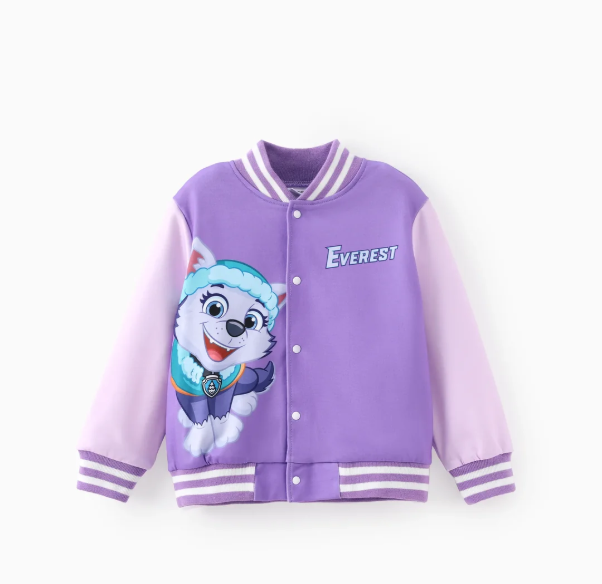
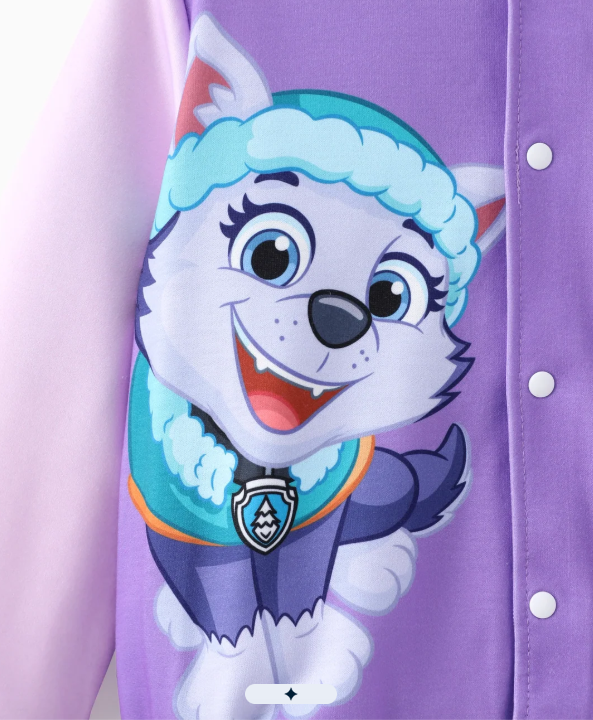
The supplied PatPat product image features a purple varsity-style jacket with contrasting light-coloured sleeves. It has a snap-button front, striped ribbed detailing around the collar, cuffs, and lower hem, and a contrasting design across the body. These visible details create a sporty appearance that can be paired with simple casual clothing. The colour combination also gives the garment a noticeable look without requiring an elaborate outfit.
The Purple Snap-Front Varsity Jacket offers a useful example of how colour and construction details can influence the overall appearance of children's outerwear. Its snap-front design provides a visible fastening option, while the ribbed trims give the cuffs and hem a defined finish. Parents should consult the individual product listing for confirmed information about fabric composition, lining, thickness, and washing instructions. The image alone cannot establish whether the garment is breathable, insulated, or suitable for a particular temperature range.
One of the most important parts of dressing for changing temperatures is recognising that children move between different environments. A school classroom may feel comfortable while the playground outside is cooler, and a sunny afternoon can make outdoor activities feel warmer than the morning journey. A jacket that can be removed without changing the entire outfit makes these transitions easier. Parents can also encourage children to keep their outerwear in a consistent place so it is easy to find when needed.
The same consideration applies during family outings. A child might travel in a car, visit a shop, walk through an outdoor market, and spend time in a park during one trip. Each setting can feel different, especially when indoor heating or outdoor sunlight changes the temperature. Rather than expecting one clothing combination to remain perfect throughout the outing, parents can prepare a simple outfit that allows an outer layer to be added or removed when necessary.
Different jacket styles serve different purposes, so parents should look beyond appearance when comparing options. The shape, fastening, available sizes, and product description can all help determine whether a garment is suitable for a child's routine. PatPat's outerwear collections include different styles that parents can compare according to their preferences and the conditions in which the clothing will be worn. Reading individual product information is more reliable than assuming every jacket in a category has identical features.
For families considering a kids fleece jacket, it is worth comparing the available options with other types of outerwear. A fleece-style garment and a varsity-inspired jacket may differ in construction, appearance, and intended use. Parents should review the official descriptions to understand what each product offers rather than assuming one is warmer or more breathable than another. The child's age, daily activities, and local weather should guide the final decision.
Children can gradually learn how to make sensible clothing choices when parents explain why layering matters. Instead of simply telling them to keep a jacket on or take it off, adults can ask whether they feel comfortable while walking, sitting, or playing. This gives children an opportunity to recognise their own comfort and communicate when conditions change. It also makes getting dressed feel less like a set of instructions and more like a routine they can manage independently.
Simple habits can make this process easier. Parents can show children where to place a removed jacket, how to put it back on when heading outdoors, and why they should not leave it on the playground or classroom floor. Younger children may need reminders, while older children can gradually take responsibility for their belongings. These small lessons support independence and help prevent outerwear from becoming an inconvenience during busy school days.
A jacket used regularly during a changing season may need attention after several outings. Parents can check for visible marks, damp areas, or signs that the garment needs cleaning before returning it to the wardrobe. Keeping outerwear in a designated place also makes it easier to locate during the next cool morning. Children can take part by hanging up their jackets after returning home instead of leaving them among school bags and other clothing.
Cleaning methods should always follow the care instructions supplied with the individual product. Different materials and garment finishes may require different washing or drying methods, so parents should not assume that all jackets can be treated in the same way. Checking the care label before washing helps avoid relying on general advice that may not apply to the garment. When the weather becomes consistently warmer, clean and completely dry outerwear can be stored appropriately until cooler conditions return.
A successful outfit is one that continues to make sense as the day develops. Cool mornings, comfortable indoor spaces, active afternoons, and warmer journeys home can all be part of the same routine. Parents who consider these changes when choosing outerwear are better prepared to create practical clothing combinations. A jacket should complement the rest of the outfit, allow natural movement, and be manageable when the child needs to remove or put it back on.
Ultimately, choosing a jacket is about matching the garment to the child's actual needs rather than expecting it to handle every weather condition. Fit, product specifications, layering options, and personal preferences all deserve attention. A varsity-inspired design may work well as part of a flexible everyday wardrobe, provided its verified features suit the conditions. With a little planning, children can move comfortably between cool mornings and warmer afternoons without needing an entirely different outfit for every part of the day.
If you enjoy PWInsider.com you can check out the AD-FREE PWInsider Elite section, which features exclusive audio updates, news, our critically acclaimed podcasts, interviews and more by clicking here!