
Want more wrestling news, rumors, and results? Be sure to visit PWInsider.com and PWInsiderXtra.com.

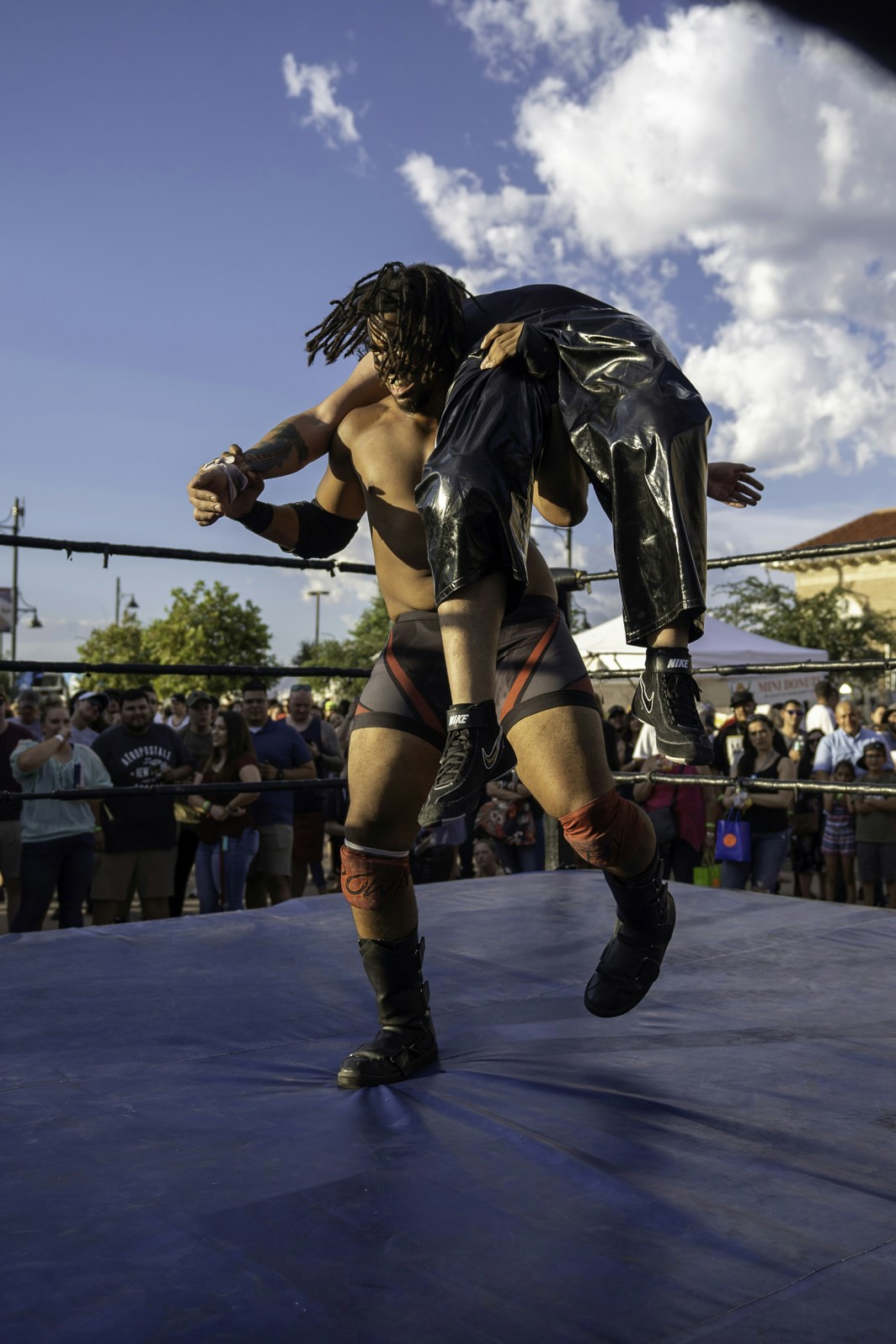
Every wrestling show gives you a dozen reasons to back one outcome, then throws in the one detail that changes everything. That habit of reading clues and changing your call when the evidence changes is second nature to fans, even when the prediction moves beyond the ring and into markets.
Wrestling fans are always trying to call the finish before the bell rings. A title change gets telegraphed, then an injury changes the picture completely. Half the fun is thinking you have it figured out, then watching one new detail send the whole prediction sideways. The better you know the product, the more clues you have to work with.
Sami Zayn’s September 11 win over CM Punk is a good example. Punk appeared to hurt his knee during the match, while Zayn’s recently healed wrist became a target. Outside interference then changed the situation again before Kevin Owens accidentally struck Punk with the championship belt. Zayn hit the Helluva Kick and won the Undisputed WWE Championship.
A fan watching all of that had to keep updating the call. What looked likely ten minutes earlier became less useful once the match supplied new information. Wrestling trains you to do that constantly. A prediction can be sensible at the opening bell and wrong by the finish because the evidence changed underneath it.
Regular viewers build up a decent sense of which clues deserve attention. A wrestler being protected for several weeks means more than a random social-media theory. An announced stipulation also carries more weight than somebody insisting that a surprise return is “obvious.” The hard part is knowing which information deserves space in your head.
Research into crowd prediction gives that habit some backing. A controlled experiment published in Experimental Economics found that continuous double-auction market prices clearly beat the other methods tested for combining dispersed information. The best-informed participants were also the ones able to generate excess returns.
That does not turn wrestling fans into professional forecasters. It does explain why a long-time viewer can read a situation differently from somebody dropping in for one show. One fan knows the recent booking; another remembers an old rivalry that has suddenly become relevant. The useful read comes from knowing which clue belongs in the argument and which one is noise.
Sports fans do this informally all the time: they decide one outcome is more likely than another, then change their view when new information arrives. Prediction markets turn that same habit into prices on event contracts, with those prices moving as traders react.
The best prediction market apps, as noted by the Covers team , differ in the markets available and the liquidity behind them. Fees can also vary, along with payout speed and contract structure. Those details affect the way a market works in practice, even when two platforms ask traders to judge the same type of uncertain outcome.
The scale became hard to miss during the 2026 FIFA World Cup. Kalshi recorded $27 billion in trading volume during the tournament and reached roughly 3 million users, around twice the number the company had expected.
That is a huge amount of activity built around people putting a price on what they think happens next. Football gives them goals and match results; wrestling fans make their own calls around title changes or the direction of a feud. The mechanics are different, but the basic question is recognisable: given what you know right now, what outcome makes the most sense?
Wrestling also gives fans plenty of practice with uncertainty. A match can be affected by interference or an injury angle, and a storyline can change direction in one segment. Fans learn to revise a prediction without pretending the original read was guaranteed.
A strong read is still only a prediction. Wrestling fans can spot booking patterns and follow injury news, but creative decisions can wreck the neatest theory before the next premium live event.
Experience gives you better evidence to work with; it does not hand you the finish in advance. The best calls stay open to being changed when the show gives you a reason.
Wrestling gives fans plenty to work with before a match ends. Booking history can point one way, then one piece of interference can change the whole call.
That is why wrestling fans spend so much time predicting what comes next. Reading the signs is part of following the story, but the result only becomes a fact when the referee counts three or somebody taps out. Until then, every clue is still open to interpretation, and every confident prediction can be undone by the next entrance, turn or finish. That uncertainty is part of what keeps fans arguing long after the show ends.
If you enjoy PWInsider.com you can check out the AD-FREE PWInsider Elite section, which features exclusive audio updates, news, our critically acclaimed podcasts, interviews and more by clicking here!










 Bang On Casino