Want more wrestling news, rumors, and results? Be sure to visit PWInsider.com and PWInsiderXtra.com.


Professional wrestling has undergone a profound metamorphosis over the past few decades. Gone are the days when the industry relied on the strict preservation of "kayfabe"—the illusion that everything happening inside the squared circle was unscripted, legitimate athletic competition. Today, the curtain has been pulled back, and the audience is fully aware of the predetermined nature of the spectacle. However, rather than diminishing the excitement, this transparency has birthed a new, highly analytical breed of fan. As the two major North American promotions, World Wrestling Entertainment (WWE) and All Elite Wrestling (AEW), prepare for their marquee pay-per-view events, their fanbases engage in a level of pre-match analysis that rivals the scrutiny applied to traditional sports, chess matches, and high-stakes corporate mergers.
Modern wrestling fans do not just watch the product; they dissect it. They are critics, armchair bookers, and industry insiders all rolled into one. When a major matchup is announced—whether it is a main event at WWE's WrestleMania or a dream match at AEW's All In—the anticipation is fueled by a complex web of narrative evaluation, in-ring stylistic breakdowns, and behind-the-scenes business politics. Understanding how these fans analyze major matchups provides a fascinating glimpse into the psychology of modern digital entertainment consumption and interactive storytelling.
For the analytical fan, a wrestling match is the climax of a long-form narrative, much like the season finale of a prestige television drama. The physical combat is merely the payoff for months, or sometimes years, of character development. When evaluating a major matchup, fans first look at the narrative architecture that brought the two competitors together. They analyze the psychological motivations of the characters, looking for inconsistencies, foreshadowing, and emotional resonance.
In the modern era, fans pay close attention to several key narrative indicators:
Promo Battles and Micro-Expressions: Fans analyze every spoken word during interviews. A slight hesitation, a glance at a championship belt, or a specific choice of vocabulary can signal a future heel turn (becoming a villain) or a face turn (becoming a hero).
Long-Term Continuity: Audiences reward promotions that remember their own history. A callback to a match that happened three years prior adds immense weight to a current rivalry, rewarding the hardcore viewer.
The Archetypal Clash: Fans evaluate whether the match presents a compelling dynamic, such as the classic "rebel versus authority" or the "aging veteran versus the arrogant prodigy."
Symmetrical Booking: Analysts look at how a wrestler has been presented over the past six months. If a character has suffered a string of tragic losses, the analytical fan anticipates a redemption arc culminating at a major event.
This deep narrative analysis transforms the viewing experience from passive reception to active investigation. Fans construct elaborate theories on forums like Reddit, debating the logical progression of a storyline. In WWE, the multi-year "Bloodline" saga is a prime example of how fans dissect familial drama and subtle emotional cues to predict match outcomes. In AEW, the long-term arc of "Hangman" Adam Page battling his insecurities and overcoming his former friends was analyzed step-by-step by an audience deeply invested in his psychological journey. The match itself becomes a theatrical release of built-up tension, and the fans' ability to predict the emotional beats of that release is a major part of the enjoyment.
While the story is the hook, the match itself is the substance. The contemporary wrestling fanbase is incredibly educated about the technical and athletic aspects of the industry. They understand ring psychology, pacing, and the diverse global styles of professional wrestling.
When a big match is announced, fans immediately begin theorizing about how the two competitors' distinct styles will mesh inside the ring.
This stylistic analysis often focuses on the following paradigms:
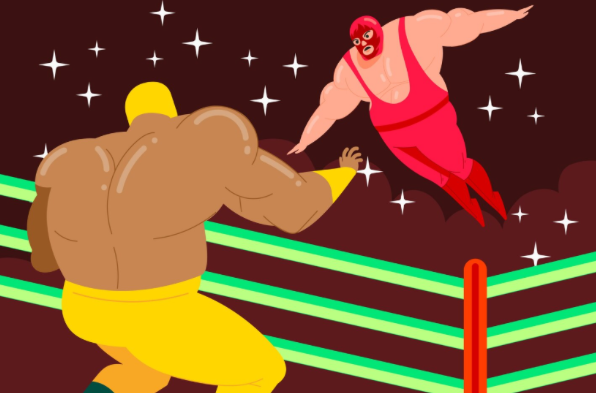
The Clash of Disciplines: How will a high-flying luchador deal with a grounded, submission-based grappler? Fans analyze whether the contrast in styles will create a disjointed mess or a beautifully choreographed dance.
Work Rate and Endurance: Fans expect certain main-eventers to deliver "five-star" classics. They analyze the cardiovascular endurance of the performers and their ability to execute complex sequences deep into a 30-minute bout.
Signature Sequences and Counters: Analytical viewers know the move sets of their favorite wrestlers intimately. They predict how one wrestler will counter the other's finishing maneuver, envisioning specific athletic sequences before the bell even rings.
Selling and Ring Awareness: The ability of a wrestler to realistically portray pain and exhaustion (selling) is heavily scrutinized. Fans evaluate whether a competitor’s injury narrative will be seamlessly incorporated into the physical match structure.
By breaking down these athletic components, fans elevate professional wrestling from a mere spectacle to an art form. They appreciate the athleticism required to perform a "Canadian Destroyer" safely, just as a ballet enthusiast appreciates a flawless pirouette. In AEW, where the in-ring product often leans toward a faster, more independent-wrestling style, fans might analyze the sheer physical output and dangerous spots. In WWE, where the style is traditionally more methodical and story-driven, the focus shifts to facial expressions, pacing, and dramatic pauses. The analytical fan knows that a successful match requires the perfect alchemy of these elements, and predicting whether two performers have that elusive "chemistry" is a central topic of pre-event podcasts and articles.
Perhaps the most fascinating aspect of modern wrestling fandom is the integration of real-world business mechanics into storyline analysis. Because fans know the outcomes are predetermined by writers and executives, they look beyond the fiction to the corporate realities dictating those decisions. "Dirt sheets" (insider wrestling news outlets) report on contract negotiations, backstage altercations, and merchandise sales, all of which directly influence how fans predict a matchup.
When analyzing the corporate and business factors of a major event, fans consider several real-world variables:
Contract Expirations: If a champion's real-life contract is expiring in two weeks and they have not re-signed, analytical fans confidently predict they will drop the title at the upcoming pay-per-view.
Backstage Politics and Creative Control: Fans analyze which executives are currently in charge of creative direction (e.g., Triple H in WWE or Tony Khan in AEW) and factor in their known preferences for certain types of wrestlers.
Global Expansion and Market Appeal: If a major event is being held in the United Kingdom or Australia, fans predict that local heroes will be booked to win to maximize crowd satisfaction and regional market penetration.
Injury Reports: Legitimate, real-world injuries often force sudden changes to predetermined plans. Fans monitor injury reports to guess how a storyline will be abruptly rewritten.
This layer of analysis turns the wrestling fan into a specialized armchair executive. They are not just predicting who would win in a fight; they are calculating who should win from a corporate and financial standpoint. This deep engagement with probabilities, risks, and strategic outcomes mirrors the behavior of consumers in other high-stakes digital environments. For instance, individuals who engage in strategic analysis and risk assessment in their leisure time often seek platforms that reward deep tactical thinking. An enthusiast navigating the complexities of probability might explore resources like Wincraft, where the digital environment requires the same level of analytical foresight and risk management as predicting the volatile landscape of a wrestling main event. In both spheres, the thrill lies in gathering data, reading the subtle signs, and successfully predicting a complex outcome against the odds. The modern wrestling fan applies this analytical rigor to every aspect of the broadcast, knowing that the real story is often being told in the boardroom rather than the ring.
The final piece of the analytical puzzle is the audience itself. Professional wrestling is unique because the live crowd is an active participant in the narrative. Their reactions can literally change the script. If the writers plan for a wrestler to be a heroic "face," but the crowd actively boos them out of the building, the promotion is often forced to pivot. Analytical fans monitor crowd metrics obsessively to predict how a matchup will be booked.
To gauge a wrestler's true momentum leading into a major event, fans look at the following indicators:
Decibel Levels and Chants: The volume of the pop (cheer) a wrestler receives upon their entrance is the most visceral metric of success. Fans analyze whether a reaction is organic or artificially sweetened by piped-in stadium noise.
Merchandise Movement: T-shirt sales are a primary indicator of a wrestler's profitability. Fans know that the individual moving the most merchandise is highly likely to be protected in the booking of a major match.
Social Media Engagement: The amount of viral traction a promo or a match clip gets on X (Twitter) or TikTok heavily influences how executives view a performer's mainstream appeal.
The "Hijack" Potential: If fans strongly disagree with a proposed matchup, they may coordinate chants to "hijack" the show, forcing the promoters to change the main event to suit their desires.
Understanding these metrics allows fans to see the invisible tug-of-war between the promotion's desires and the audience's demands. A major matchup is rarely booked in a vacuum; it is a response to the economic and emotional feedback provided by the fanbase. When fans analyze a match, they are essentially taking the temperature of the entire industry. They know that a wrestler who consistently generates the loudest reactions and moves the most merchandise is a safe bet for victory, regardless of the storyline obstacles placed in their way. This symbiotic relationship between the fans and the product ensures that the analysis is a constantly evolving, living process.
The days of watching professional wrestling with a pure suspension of disbelief are long gone, but what has replaced it is arguably much more fascinating. The modern WWE and AEW fan is a hybrid of a sports statistician, a theater critic, and a corporate financial analyst. They do not just consume the spectacle; they deconstruct it, looking for the underlying truths hidden within the choreography and the corporate press releases.
Analyzing a major matchup before a big event is a multi-disciplinary exercise. It requires an understanding of long-term narrative structures, a deep appreciation for the athletic geometry of in-ring styles, and a cynical awareness of backstage politics and merchandise economics. This level of intellectual engagement proves that professional wrestling is one of the most complex and interactive forms of modern entertainment. The predetermined nature of the sport does not kill the suspense; it simply moves the mystery from the physical outcome to the creative and corporate intent. For the modern fan, the true joy lies not just in seeing who gets their hand raised, but in successfully analyzing the intricate, chaotic, and beautiful machinery that decided the outcome before the bell even rang.
If you enjoy PWInsider.com you can check out the AD-FREE PWInsider Elite section, which features exclusive audio updates, news, our critically acclaimed podcasts, interviews and more by clicking here!